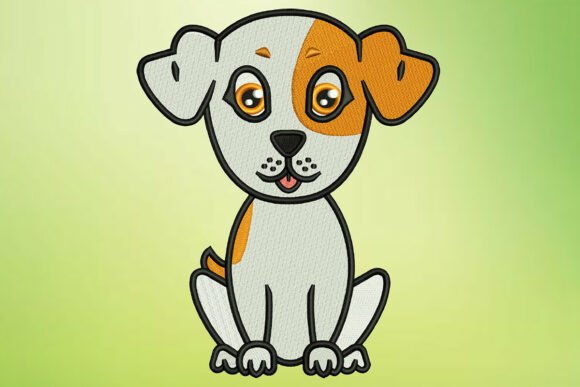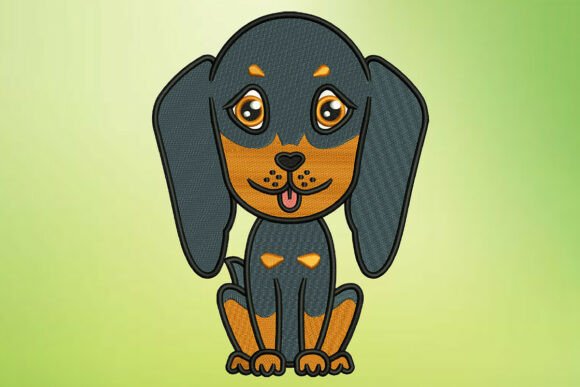
Dachshund Embroidery: A Designer's Practical Review
As a professional who spends countless hours evaluating machine embroidery design assets for both personal collections and client work, I approach every new file with a critical eye. The market is flooded with generic patterns, but finding a piece that truly translates from a digital preview to a high-quality finished product requires scrutiny. Recently, I loaded the Dachshund Embroidery design into my software to see if it holds up under real-world conditions. This review breaks down exactly how this cute cartoon dachshund puppy performs when you move beyond the screen and onto fabric.
First Impressions: Charm Meets Functionality
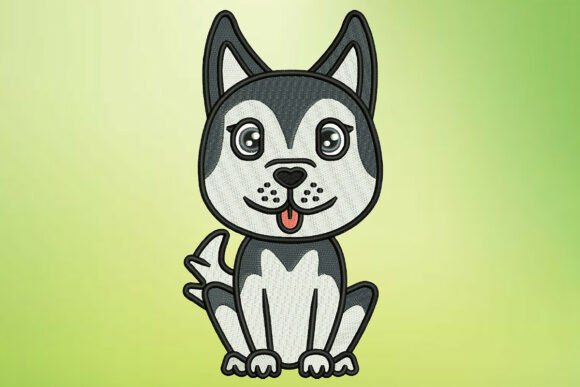
The moment the Dachshund Embroidery file opens, the mood is immediately established. It is undeniably playful. The layout features a delightful, simplified representation of a dachshund puppy, relying on bold outlines and clean shapes rather than hyper-realistic detailing. For a designer, this is often a good sign; complex shading can be a nightmare on textured fabrics, whereas a cartoon style usually stitches out faster and clearer.
The visual personality here is warm and inviting. It screams "comfort" and "joy," making it an instant candidate for items meant to bring a smile to the user. However, as someone who has seen many designs fail due to poor stitch density or awkward angles, I needed to dig deeper. Does the simplicity hide structural weaknesses? Or is it a robust asset ready for commercial use?
Real-World Application: From Tote Bags to Nursery Decor
To test the versatility of this embroidery file, I mentally mapped it onto several common projects I encounter in my craft business. The first scenario was a custom canvas tote bag. The long, low profile of the dachshund fits perfectly along the bottom hem or centered on the front panel. Because the design uses a mix of fill stitch and satin stitch effectively, it should provide enough weight to stand out against the coarse weave of a tote without puckering the fabric.
I also considered its potential for custom apparel. Imagine this on a heavy cotton sweatshirt. The cartoon style works exceptionally well on fleece or jersey because the soft edges of the design mimic the softness of the garment. It feels like a natural fit for baby embroidery projects as well. A onesie or a small pillow cover featuring this puppy would appeal instantly to parents looking for whimsical nursery decor. The lack of sharp, aggressive lines makes it safe and appealing for children's items.
For the Etsy seller or small shop owner, this design offers strong potential for creating a cohesive brand line. You could create a collection of Dogs themed products, using this specific dachshund as the flagship character. Whether printed on a mockup or stitched onto a physical sample, the design communicates quality and care. It elevates a simple item into a personalized gift that feels unique and thoughtfully curated.
Strategic Placement on Different Garments
- Sweatshirts and Hoodies: Center chest placement works best for visibility. The design is large enough to be seen but not so dense that it creates a stiff patch.
- Caps and Hats: While possible, the elongated shape might require careful scaling to fit the curved surface of a cap front without distorting the puppy's proportions.
- Aprons and Kitchen Towels: This is a perfect match for home goods. The playful nature of the dog adds a touch of personality to functional kitchen items.
- Embroidered Patches: If you are producing patches for resale, this design's clean lines make it ideal for cutting and edging, provided you check the stitch count for stability.
Navigating Potential Pitfalls: Where Caution is Needed
Even the best digital embroidery file has limitations. As a reviewer, I must highlight where the Dachshund Embroidery might struggle if used incorrectly. The primary concern is always the hoop size. If you attempt to shrink this design too much to fit a 4x4 hoop, the delicate details of the puppy's face and ears may get lost in the thread tension. Always verify the minimum recommended size before committing to a tiny project.
Fabric choice is equally critical. On very thin or stretchy fabrics like silk or spandex blends, the density of the fill stitch could cause puckering or distortion. In these cases, using a heavy-duty stabilizer is non-negotiable. Similarly, on dark fabrics, the contrast of the thread colors becomes vital. If the original design relies on light pastels, they may disappear on a black background unless you add a white underlay layer. Always test your color palette on scrap material first.
Another area requiring attention is the frequency of washing. Products like baby clothes or kitchen towels endure rigorous laundering. Ensure that the stitching is secure and that there are no loose threads in the running stitch areas. If the design includes fine details, frequent agitation in a washer could eventually fray them. For items destined for heavy use, consider reinforcing the back of the embroidery with cutaway stabilizer.
Designer Notes for Professional Execution
If you decide to incorporate this Dachshund Embroidery into your workflow, follow these practical steps to ensure a professional result:
- Test on Scrap Fabric: Never skip the test run. Stitch the design on a piece of fabric similar to your final product to check for registration issues and thread tension.
- Review Stitch Density: Zoom in on the software view. Look for areas where the fill stitch might be too tight, which can lead to fabric tearing, or too loose, which leaves gaps.
- Check Licensing: Before selling any finished product or offering this as a digital product yourself, confirm the license terms. Some designs allow commercial use of finished goods but prohibit reselling the file itself.
- Mockup Verification: Use a printable mockup tool to visualize the design on different backgrounds. This helps you sell the concept to clients or plan your inventory for a craft fair.
- Color Contrast: Ensure the thread colors pop against the fabric. High contrast increases readability and perceived value of the handmade item.
Final Verdict: A Valuable Asset for Makers
In conclusion, the Dachshund Embroidery design strikes a solid balance between aesthetic charm and technical usability. It is not just another clip-art pattern; it is a viable asset for designers looking to expand their catalog of animal-themed goods. Its cartoon style ensures broad appeal, making it suitable for everything from holiday gifts to boutique merchandise.
For the serious crafter or commercial embroidery business owner, this design offers a reliable way to add a touch of whimsy to your portfolio. By paying attention to fabric selection, stabilizer use, and proper scaling, you can transform this digital file into a high-quality, tangible product that customers will love. Whether you are sewing a one-off personalized gift or preparing a batch of handmade products for your shop, this dachshund puppy brings an instant touch of playful charm that is sure to resonate with buyers.