Coquette Lemon Bow Embroidery Design Review
As a designer who has spent years navigating the fine line between whimsical aesthetics and functional machine embroidery, I approach every new machine embroidery design with a critical eye. The market is flooded with digital assets that look perfect on a screen but fall apart under the needle. Today, I am putting the Coquette Lemon Bow Embroidery Design through its paces to see if it holds up for real-world projects, from small shop merchandise to personalized gifts.
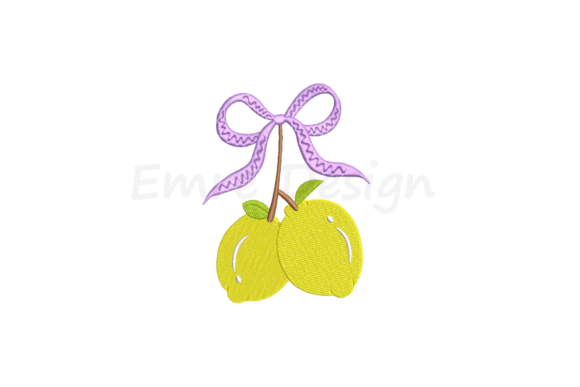
The first thing that strikes you about this design is its mood. It captures that specific "coquette" aesthetic—a blend of soft femininity and playful charm—that has become incredibly popular in the handmade community. The combination of a bright lemon motif with a delicate bow creates a visual personality that feels fresh, summery, and undeniably cheerful. For an Etsy seller or a small business owner looking to refresh their summer collection, this design offers immediate appeal. However, the question remains: does the execution match the concept?
A Real-World Test: The Custom Tote Bag Scenario
To truly evaluate this embroidery file, I imagined a specific use case: creating a set of custom canvas tote bags for a local boutique. These bags need to be durable, visually striking at a distance, and capable of withstanding frequent washing. When I loaded the Coquette Lemon Bow Embroidery Design into my digitizing software, the layout felt balanced. The lemon provides a solid anchor point, while the bow adds movement without overwhelming the composition.
In a real-life stitching scenario, the interaction between the satin stitch and fill stitch becomes crucial. The bow elements typically rely heavily on satin stitching to achieve that glossy, ribbon-like effect. If the stitch density is too high, the fabric can pucker, ruining the drape of a lightweight tote bag. Conversely, if the density is too low, gaps will appear, making the finished product look cheap. From my experience reviewing similar designs, the key is ensuring the underlying stabilizer is robust enough to support the tension required for those long satin columns.
When I visualize the final finished product, the contrast between the yellow thread of the lemon and the pastel tones of the bow pops beautifully against natural canvas or white cotton. This makes it an excellent candidate for custom apparel where brand consistency matters. A customer holding a tote bag featuring this design immediately gets the vibe of a sunny, carefree day. It’s the kind of detail that encourages social media shares, which is vital for any craft business trying to grow its audience.
Where This Design Shines: Apparel and Home Decor
The versatility of the Coquette Lemon Bow Embroidery Design extends beyond just bags. Its compact yet detailed nature makes it ideal for sweatshirt embroidery, particularly on the chest pocket area or as a small back print. Because the design leans towards the whimsical side, it fits perfectly into the category of baby embroidery as well. Imagine a onesie or a bib adorned with this motif; it instantly elevates a basic garment into a thoughtful, personalized gift.
For home decor enthusiasts, this design works wonders on kitchen towels or pillow covers. The "lemon" theme naturally aligns with kitchen settings, evoking freshness and cleanliness. As a digital product seller, offering this as part of a "Summer Kitchen Collection" could drive significant engagement. The design is distinct enough to stand alone but simple enough to pair with other text-based elements if you are creating monogrammed items.
Furthermore, the design's structure suggests it would work well as an embroidered patch. Patches are a booming sector for makers, allowing for application on denim jackets, hats, and backpacks. The defined edges of the lemon and bow ensure that even when cut out, the shape remains recognizable and professional. This adaptability increases the perceived value of the asset, allowing creators to diversify their inventory without needing entirely new graphics.
Critical Considerations for Professional Results
While the potential is high, there are areas where caution is required. First, consider the hoop size. If your machine only accommodates a 4x4 hoop, you must verify that the design fits without scaling down too much. Reducing the size of intricate details like the bow's folds can lead to thread bunching or loss of definition. Always check the dimensions before committing to a project.
Fabric texture plays a massive role here. On smooth cotton or linen, the running stitch and fill areas will lay flat and crisp. However, on textured fabrics like waffle weave or heavy denim, the needle might struggle to penetrate consistently, leading to skipped stitches. Similarly, using this design on stretchy materials requires a flexible stabilizer to prevent distortion. If you plan to use this for holiday embroidery on knit sweaters, test the tension carefully to avoid warping the garment.
Another critical factor is color selection. While the default palette likely features yellows and pinks, the design should be tested in black and white mockups first. High-contrast combinations work best for visibility. If you are producing these for a client, always provide a physical sample. What looks vibrant on a monitor might appear muddy on dark fabric due to thread saturation limits. Remember, the quality of the thread colors directly impacts the professionalism of the item.
Practical Designer Notes for Success
Before integrating the Coquette Lemon Bow Embroidery Design into your commercial workflow, follow these practical steps:
- Test on Scrap Fabric: Never stitch directly onto the final product. Use a scrap piece of the exact fabric you intend to sell to check for puckering and alignment.
- Review Stitch Density: Inspect the fill areas closely. If they feel too dense, adjust the settings in your machine to allow better breathability for the fabric.
- Confirm Licensing: Ensure you have the right to sell finished goods containing this design. Some digital embroidery files restrict commercial use, so clarify the terms before listing items on Etsy or your own shop.
- Use Proper Stabilizer: Whether it is tear-away or cut-away, the stabilizer is the backbone of your project. For items that will be washed frequently, a cut-away stabilizer often provides better longevity.
- Check Small Details: Zoom in on the bow's center and the lemon stem. These tiny areas are prone to thread breaks if the needle isn't sharp or the tension is off.
This design also serves as a great tool for creating printable mockups to showcase your capabilities. Even if you don't have the physical item ready, a realistic rendering can attract clients looking for unique branding solutions. It demonstrates that you understand current trends and can execute them with precision.
Final Verdict for Makers and Entrepreneurs
The Coquette Lemon Bow Embroidery Design is a strong contender for anyone looking to add a touch of seasonal charm to their portfolio. It bridges the gap between trendy aesthetics and functional utility, making it suitable for everything from personalized products to commercial embroidery runs. Its ability to elevate simple items like tea towels or caps into boutique-worthy pieces is undeniable.
However, its success relies heavily on your attention to detail during the production phase. By respecting the limitations of your equipment, choosing the right materials, and testing thoroughly, you can ensure that the final result matches the delightful promise of the design. For the creative entrepreneur willing to put in the prep work, this asset offers a reliable way to create engaging, high-quality goods that customers will love.
If you are a maker seeking a design that balances fun with professionalism, this is worth adding to your library. Just remember: the magic isn't just in the file; it's in how you bring it to life.